Get Driveway Gravel Installation
Driveway gravel installation services help property owners create durable, level, and well-drained driveways for various projects like residential parking, pathways, or access roads.
If you’re considering driveway gravel installation, you’re in the right place to start exploring your options. Property owners in the area often look into gravel for its practicality, affordability, and ease of maintenance. Whether updating an existing driveway or creating a new one, understanding the benefits and planning ahead can help ensure the project meets your needs. Comparing local service providers can provide insights into the quality of work and the variety of solutions available, making it easier to find a contractor that matches your project goals.
Keep reading to learn how connecting with experienced local contractors can simplify your driveway gravel installation. These professionals bring local knowledge and expertise to help you choose the right materials, design a durable layout, and execute the work efficiently. Taking the time to explore your options and gather information can support a successful project that enhances the functionality and appearance of your property.
- Driveway Gravel Installation - when a property owner wants a durable and affordable surface for vehicle access.
- Custom Gravel Driveway Design - for homeowners seeking to enhance curb appeal with a tailored gravel layout.
- Existing Gravel Driveway Maintenance - to restore or improve the stability of an aging or rutted gravel surface.
- Driveway Expansion or Resurfacing - when expanding or upgrading an existing gravel driveway to accommodate more vehicles.
- Drainage Solution Installation - to prevent water pooling and erosion around gravel driveways during heavy rains.
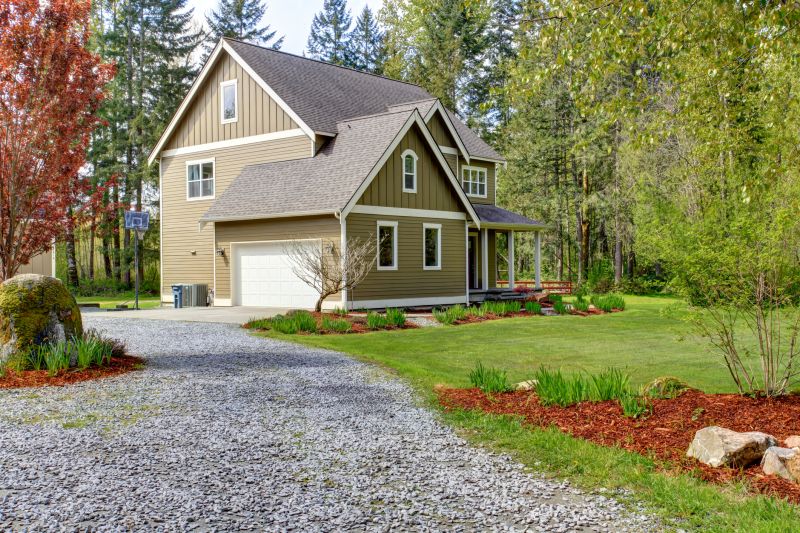
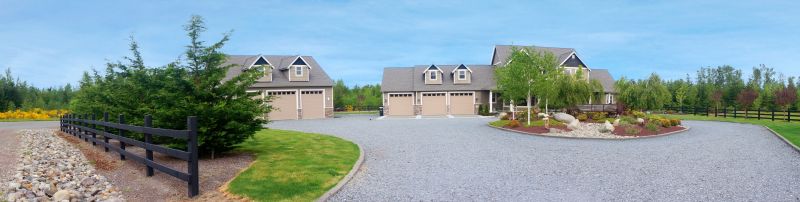
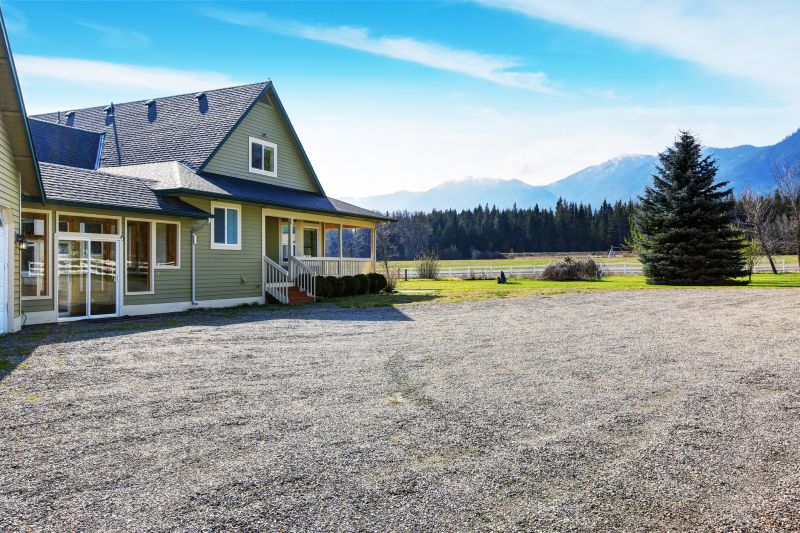
Driveway gravel installation involves preparing and laying down a layer of gravel material to create a durable, functional driveway surface. This process typically starts with clearing and grading the existing area to ensure proper drainage and a level foundation. Once the site is prepared, a base layer of larger gravel is spread to provide stability, followed by a layer of finer gravel or crushed stone to create a smooth, even surface. Professional contractors use specialized equipment and techniques to ensure the gravel is properly compacted, resulting in a driveway that can withstand regular vehicle use and resist shifting over time.
This service helps address common driveway problems such as erosion, mud, and uneven surfaces. Gravel driveways are particularly effective in areas prone to heavy rain or where soil conditions make asphalt or concrete less practical. Installing gravel can prevent water pooling and reduce the risk of ruts and potholes that often develop with unpaved or poorly maintained driveways. Additionally, gravel driveways are easier to repair and maintain, allowing property owners to add or replace material as needed without extensive excavation or costly resurfacing.
Driveway gravel installation is suitable for a variety of property types, including residential homes, rural properties, and commercial sites. Many homeowners choose gravel for its affordability, ease of installation, and versatility in design. Rural properties often benefit from gravel driveways because they handle rougher terrain better than paved alternatives. Commercial properties may also opt for gravel to create functional parking areas or access roads that require minimal upkeep and can be adjusted as business needs change.
Property owners who want a practical, cost-effective solution to improve access and driveway durability often turn to local contractors for gravel installation services. These professionals can assess the specific needs of a property, recommend the appropriate type of gravel, and ensure the installation is completed correctly. Whether replacing an existing gravel driveway or creating a new one from scratch, connecting with experienced local service providers can help ensure the project meets functional expectations and enhances the property's overall accessibility.
The overview below groups typical Driveway Gravel Installation projects into broad ranges so you can see how smaller, mid-sized, and larger jobs often compare in your area.
In many markets, a large share of routine jobs stays in the lower and middle ranges, while only a smaller percentage of projects moves into the highest bands when the work is more complex or site conditions are harder than average.
Smaller Repairs - Repairing or topping existing driveway gravel typically costs between $250 and $600 for many routine jobs. Most projects in this range involve minor fixes or adding a fresh layer of gravel. Fewer projects fall into the higher end of this spectrum, which may involve more extensive patching.
Basic Installation - Installing a new gravel driveway on a standard-sized lot usually ranges from $1,000 to $3,000. Many local contractors handle projects within this band, though larger or more complex sites can push costs higher. Smaller, straightforward installations are common in this range.
Full Replacement - Replacing an existing driveway or installing a larger gravel surface can cost between $3,000 and $5,000+. Larger, more detailed projects with additional features or thicker layers tend to fall into this higher range. Many full replacements are completed within the middle to upper part of this spectrum.
Complex or Custom Projects - Custom driveways with specific design features, drainage considerations, or extensive grading can exceed $5,000. These projects are less frequent but are handled by local pros capable of managing specialized requirements. Costs in this range reflect the added complexity and scope.
Actual totals will depend on details like access to the work area, the scope of the project, and the materials selected, so use these as general starting points rather than exact figures.
Parking Lot Paving - local contractors with experience in gravel installation can also handle paving projects for parking areas, requiring similar planning and surface preparation skills.
Walkway and Pathway Construction - installing gravel for walkways involves site assessment, surface leveling, and material distribution, similar to driveway gravel installation.
Garden and Landscape Bed Edging - creating durable borders with gravel requires precise planning and material placement, aligning with driveway gravel techniques.
Patio Base Preparation - preparing gravel bases for patios involves compacting and leveling, paralleling the foundational work needed for driveways.
Drainage System Installation - installing gravel for drainage solutions involves understanding of site grading and material placement, similar to driveway prep work.
Retaining Wall Foundations - constructing foundations for retaining walls often involves gravel bedding and stabilization, requiring similar skills and tools used in driveway gravel projects.
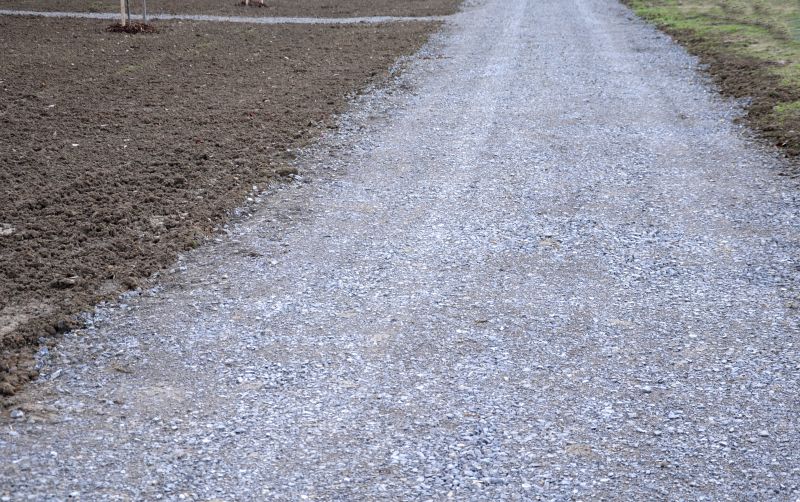
When comparing contractors for driveway gravel installation, it’s important to consider their experience with similar projects. A contractor who has successfully completed driveway gravel work in the past is more likely to understand the specific requirements and challenges involved. Asking about their previous projects can provide insight into their familiarity with different types of gravel, site conditions, and installation techniques, helping to ensure the chosen service provider has the relevant expertise.
Clear, written expectations are essential to avoid misunderstandings and ensure the project aligns with your needs. When evaluating local contractors, look for providers who can offer detailed descriptions of their services, including the scope of work, materials used, and any preparation or cleanup involved. Having this information documented can help facilitate transparent communication and serve as a reference throughout the project, making it easier to compare options based on the clarity and thoroughness of their proposals.
Reputable references and good communication are key indicators of a reliable service provider. Asking potential contractors for references from past clients can reveal their track record of completing driveway gravel projects satisfactorily. Additionally, responsive and clear communication during the inquiry process suggests the contractor values customer interaction and can be trusted to keep you informed throughout the work. It’s important to remember that this site introduces homeowners to local options for driveway gravel installation, but it does not perform the work itself-helping to connect you with qualified service providers who can handle the project professionally.
Property owners use Driveway Gravel Installation services for practical projects around their homes and businesses. This guide focuses on everyday jobs and straightforward project options.
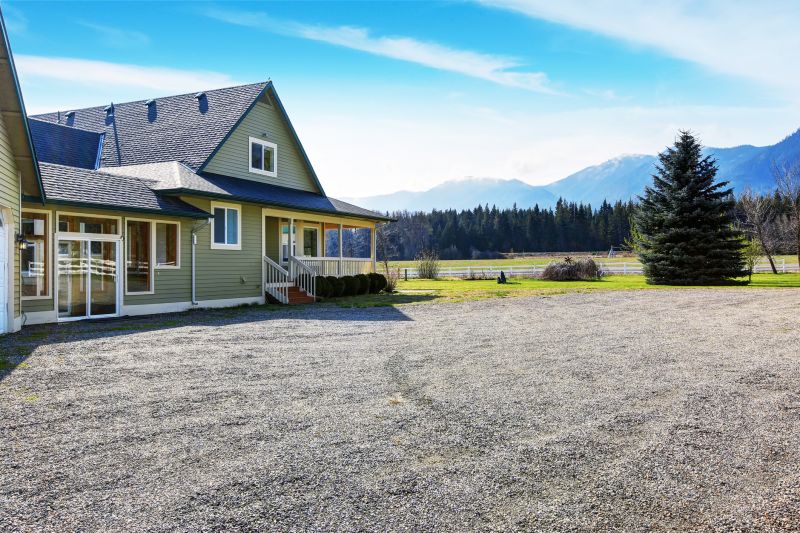
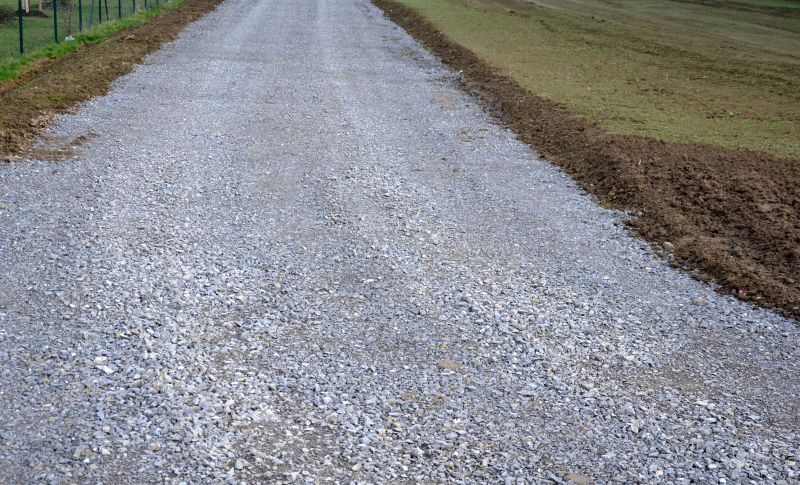
Driveway gravel installation is a common project for property owners looking to improve the functionality and appearance of their outdoor spaces. Whether replacing an old, worn-out surface or adding a new gravel driveway for better drainage and accessibility, local contractors are equipped to handle these straightforward projects. Homeowners might seek this work to enhance curb appeal, create a practical parking area, or simply update their property with a durable and low-maintenance surface.
Many property owners turn to local service providers for driveway gravel installation when planning a renovation or needing a cost-effective solution for their driveway needs. These professionals can assist with preparing the site, selecting appropriate gravel types, and ensuring the installation is done properly. Whether for a residential driveway or a small access path, local contractors can help make the process smooth and efficient, providing a reliable surface suited to everyday use.
What types of gravel are suitable for driveway installation? Local contractors typically recommend options like crushed stone, pea gravel, or river rock, depending on the driveway's purpose and desired appearance.
How is driveway gravel installed? Service providers usually prepare the base, spread the gravel evenly, and compact it to ensure stability and durability.
Can driveway gravel be installed over existing surfaces? Yes, many local pros can install gravel over existing driveways or surfaces, often with proper preparation to ensure proper adhesion and stability.
What factors influence the choice of gravel for a driveway? Factors such as load requirements, drainage needs, aesthetic preferences, and local climate conditions can affect the selection made by local contractors.
Is driveway gravel installation suitable for all types of properties? Gravel driveways are versatile and can be adapted to various property types, with local service providers customizing the installation to meet specific needs.
Driveway Expansion - Installing gravel can create additional parking space for a growing household or business.
Pathway Creation - Gravel provides a practical surface for garden paths or walkways around the property.
Driveway Renovation - Upgrading an existing gravel driveway can improve its appearance and functionality.
Erosion Control - Gravel can be used to stabilize slopes and prevent soil erosion in landscaped areas.
If you are thinking about Driveway Gravel Installation for a property, this guide is meant to help you understand the work, the typical project types, and how different options might fit your plans.
When you are ready, you can use the quote form on this page to share a few details about your project. From there, local pros can review the basics and respond with options that match what you have in mind.